
Fixed Wireless Internet for Business: A Complete Guide to Speed, Reliability, and When It Beats Fiber
Not every business can get fiber. Whether you're in a building fiber hasn't reached, need fast deployment, or want network redundancy, fixed wireless internet is filling the gap — and the technology has gotten dramatically better.
What Is Fixed Wireless Internet?
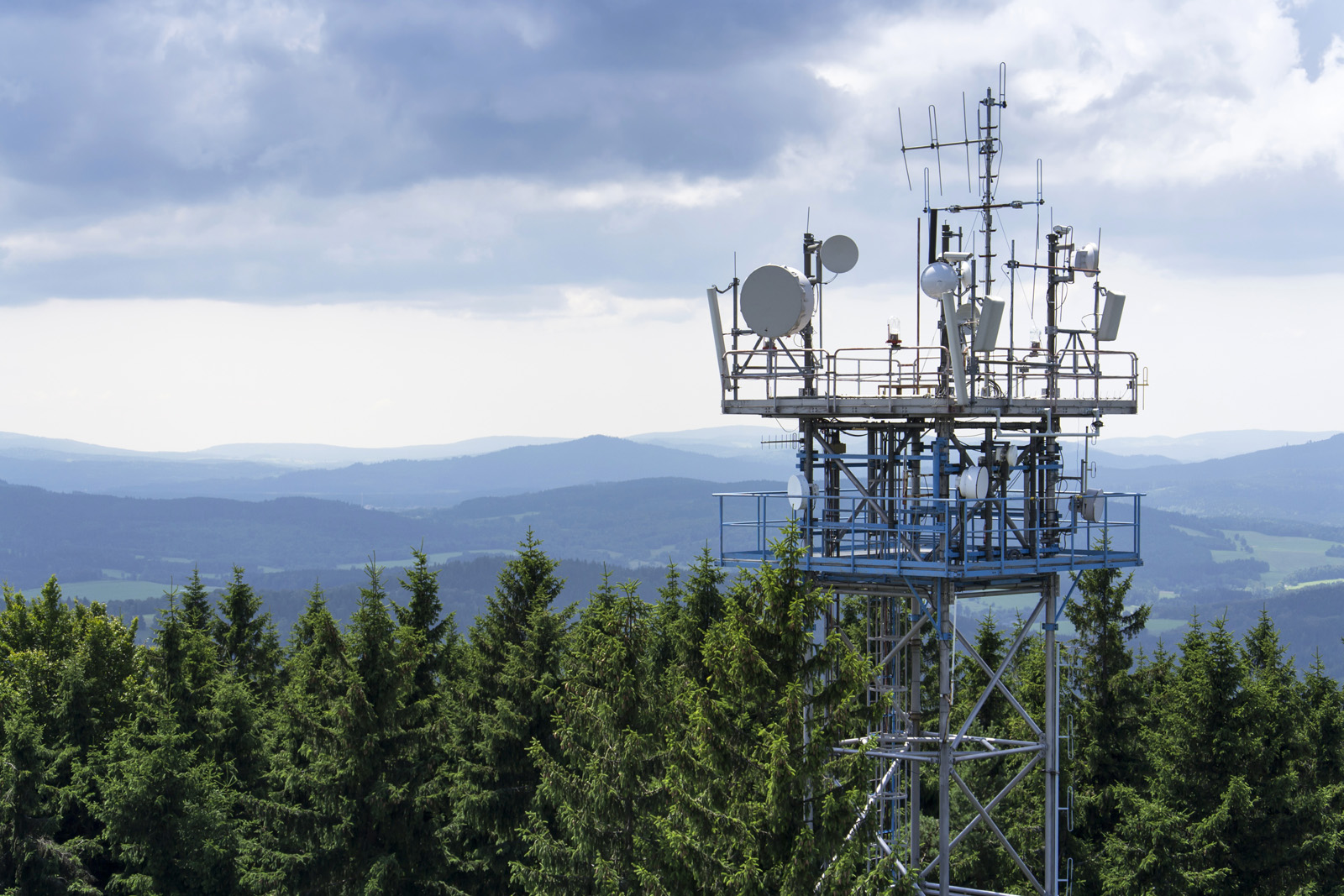
Fixed wireless internet delivers high-speed connectivity to your business using radio signals transmitted between a provider's tower and an antenna installed at your location. Unlike the cellular service on your phone, fixed wireless creates a dedicated point-to-point or point-to-multipoint connection specifically for your business.
How Fixed Wireless Works
A fixed wireless installation typically involves mounting a small antenna on your building's roof or exterior wall. This antenna communicates directly with the provider's transmission tower, creating a wireless bridge that carries your internet traffic. The connection from the antenna to your internal network uses standard ethernet cabling, so once inside your building, it works exactly like any wired internet service.
Fixed Wireless vs. Cellular vs. Satellite
The differences matter for business use. Cellular internet (including 5G) shares bandwidth with thousands of mobile users, leading to congestion during peak hours. Satellite internet, while available almost anywhere, introduces significant latency — the delay between sending a request and receiving a response — making it problematic for VoIP calls and real-time applications.
Fixed wireless occupies a middle ground: dedicated bandwidth like fiber, but delivered wirelessly. Modern fixed wireless services using licensed spectrum deliver consistent speeds from 100 Mbps to over 1 Gbps with latency comparable to wired connections.
When Fixed Wireless Internet Beats Fiber for Business
Fiber optic internet remains the gold standard for raw performance. But performance isn't the only factor that matters for your business. Here's when fixed wireless makes more sense:
Speed to Deploy
Fiber installation requires physical construction — trenching, conduit installation, permits, and coordination with building owners and municipalities. This process routinely takes weeks to months. Fixed wireless typically deploys in days. If your business can't wait for fiber buildout, fixed wireless gets you connected while you're still waiting for fiber quotes.
Locations Without Fiber Access
Approximately 20% of U.S. commercial buildings lack access to fiber internet. If you're in an older building, an industrial area, or outside major metro centers, fiber may simply not be available. Fixed wireless providers have broader reach because they don't need to run physical cables to your location — they just need line of sight to their transmission infrastructure.
Network Redundancy and Failover
Here's something many businesses miss: even if you have excellent fiber, you're vulnerable if it's your only connection. A single backhoe, a flooded conduit, or a damaged utility pole can take down your entire operation.
Fixed wireless uses completely different physical infrastructure than wired connections. Adding fixed wireless as a backup to your fiber connection creates true path diversity — if one fails, the other keeps you running. This is why many businesses with fiber still add fixed wireless for failover protection.
When Fiber Is Still the Better Choice
We sell both fixed wireless and fiber. Here's when we'd recommend fiber as your primary connection:
Maximum bandwidth requirements: If you're running data-intensive operations — large file transfers, video production, cloud-heavy workloads — fiber's symmetric multi-gigabit speeds are hard to match.
Lowest possible latency: For applications where milliseconds matter (high-frequency trading, real-time collaboration at scale), fiber's latency is slightly lower than even the best fixed wireless.
Long-term cost at scale: For very high bandwidth tiers (10 Gbps and above), fiber often becomes more cost-effective than fixed wireless.
Weather independence: While modern licensed-spectrum fixed wireless handles weather well, fiber is completely immune to atmospheric conditions.
The honest answer for many businesses: the best solution is often both. Primary fiber with fixed wireless backup gives you the best of both worlds.
What to Look for in a Business Fixed Wireless Provider
Not all fixed wireless is created equal. Here's what separates business-grade service from consumer-grade wireless:
Licensed vs. unlicensed spectrum: Licensed spectrum means your provider has exclusive rights to specific radio frequencies, eliminating interference from other users. This is critical for business reliability.
Service Level Agreements (SLAs): Legitimate business providers offer uptime guarantees — typically 99.9% or better — with credits if they miss targets.
Dedicated vs. shared bandwidth: Ask whether your quoted speed is dedicated to your business or shared among multiple customers. Dedicated bandwidth costs more but delivers consistent performance.
Scalability: Can you increase bandwidth without a new installation? Good providers can upgrade your service remotely.
Support quality: When your internet goes down at 2 AM, is someone answering the phone? Look for 24/7 support with business-focused expertise.
Getting Connected with the Right Technology
The fixed wireless vs. fiber debate misses the point for most businesses. The real question is: what combination of technologies gives you the reliability, speed, and cost structure your business needs?
At Tierzero, we're technology-agnostic because we believe in matching solutions to requirements. We provide fiber, fixed wireless, 5G, and even Starlink — whatever makes sense for your situation. And we specialize in failover configurations that keep you running when individual connections fail.
We've been doing this since 1997 with 24/7 US-based support. If you're evaluating your internet options, let's talk about what would actually work best for your business.
Fixed Wireless Strengths
Where fixed wireless excels for business
- Deploys in days, not months
- Works where fiber hasn't been built
- Dedicated connection (not shared like cellular)
- Separate physical path for redundancy
- Speeds up to 1Gbps+ available
- Scales without new physical infrastructure
Fiber Strengths
Where fiber still has the advantage
- Lowest possible latency
- Highest symmetric bandwidth
- Most established reliability track record
- Best for data-intensive operations
- Often lower cost at very high bandwidth tiers
- Weather-independent performance
Key Decision Factors
What should drive your technology choice
- Fiber availability at your location
- Timeline urgency for deployment
- Redundancy and failover requirements
- Bandwidth and latency needs
- Budget and contract flexibility
- Number of locations to connect
Is Fixed Wireless Right for Your Business?
Check any that apply to your current internet situation.
0 of 12 items checked
Connectivity Challenges
Frequently Asked Questions
Fixed wireless internet is a dedicated wireless connection between a provider's tower and your business using radio signals. Unlike cellular service, it's a dedicated link not shared with mobile users, delivering consistent speeds and low latency for business applications.
Yes. Modern fixed wireless using licensed spectrum delivers 100 Mbps to 1 Gbps+ with low latency, comparable to fiber for most business applications including VoIP, video conferencing, and cloud services.
Licensed spectrum fixed wireless provides 99.9%+ uptime SLAs comparable to fiber. The key is choosing a provider that uses licensed (not unlicensed) spectrum and offers business-grade service level agreements.
Fixed wireless typically installs in days to 2 weeks, compared to weeks or months for fiber buildout. This makes it ideal for businesses that need connectivity quickly or are waiting for fiber to become available.
Absolutely. Fixed wireless uses completely different physical infrastructure than wired connections, making it excellent for failover. If your fiber or cable goes down, fixed wireless keeps you running.
Ready to Get Started?
Talk to our experts about the right solution for your business.